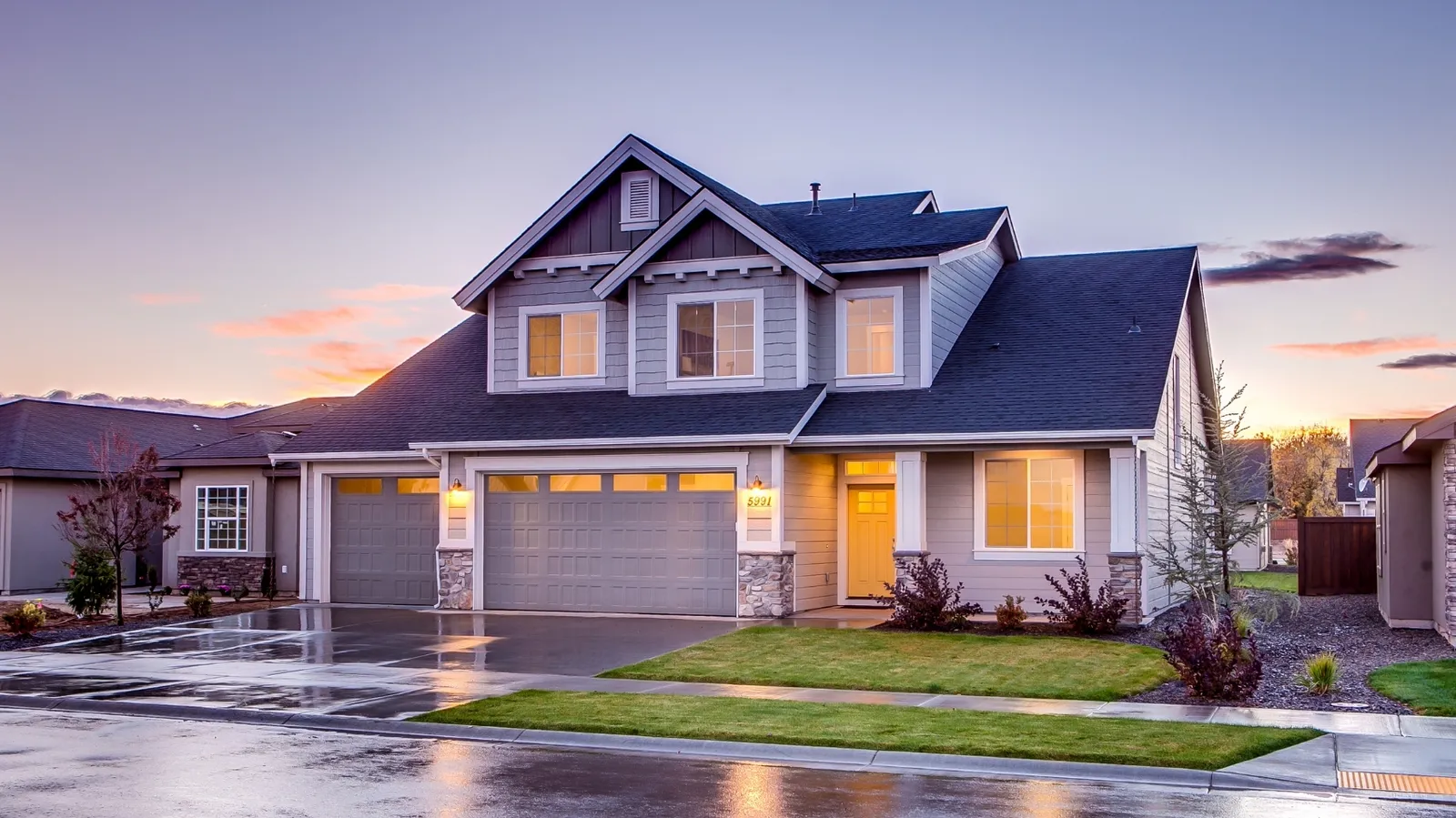
Asphalt Shingle Roofing in Alma, AR
Asphalt shingle roofing is the part you can see, and the smaller part of what actually keeps water out.
Underneath them sits the membrane, the underlayment and the flashing, and those are where a shingle roof usually fails first.
What an asphalt shingle roof includes
A shingle roof is a stack of parts that each do one job, and buying only the top layer is how people end up paying twice. A rubbery membrane goes along the eaves and up the valleys where water sits, underlayment covers the rest of the deck, flashing seals every place the roof meets something else, and the shingles go over all of it.
The parts that fail first are almost never the shingles. Old flashing put back to save money, a pipe boot reused because it looked alright, a valley left without membrane under it: those three put water in a ceiling on a roof that is otherwise young.
Shingles get chosen on two things that often get muddled. One is how they look, which is what the sample board is for. The other is how well they take a hit, and in a county that gets the hail this one does, that is what decides how the roof ages.
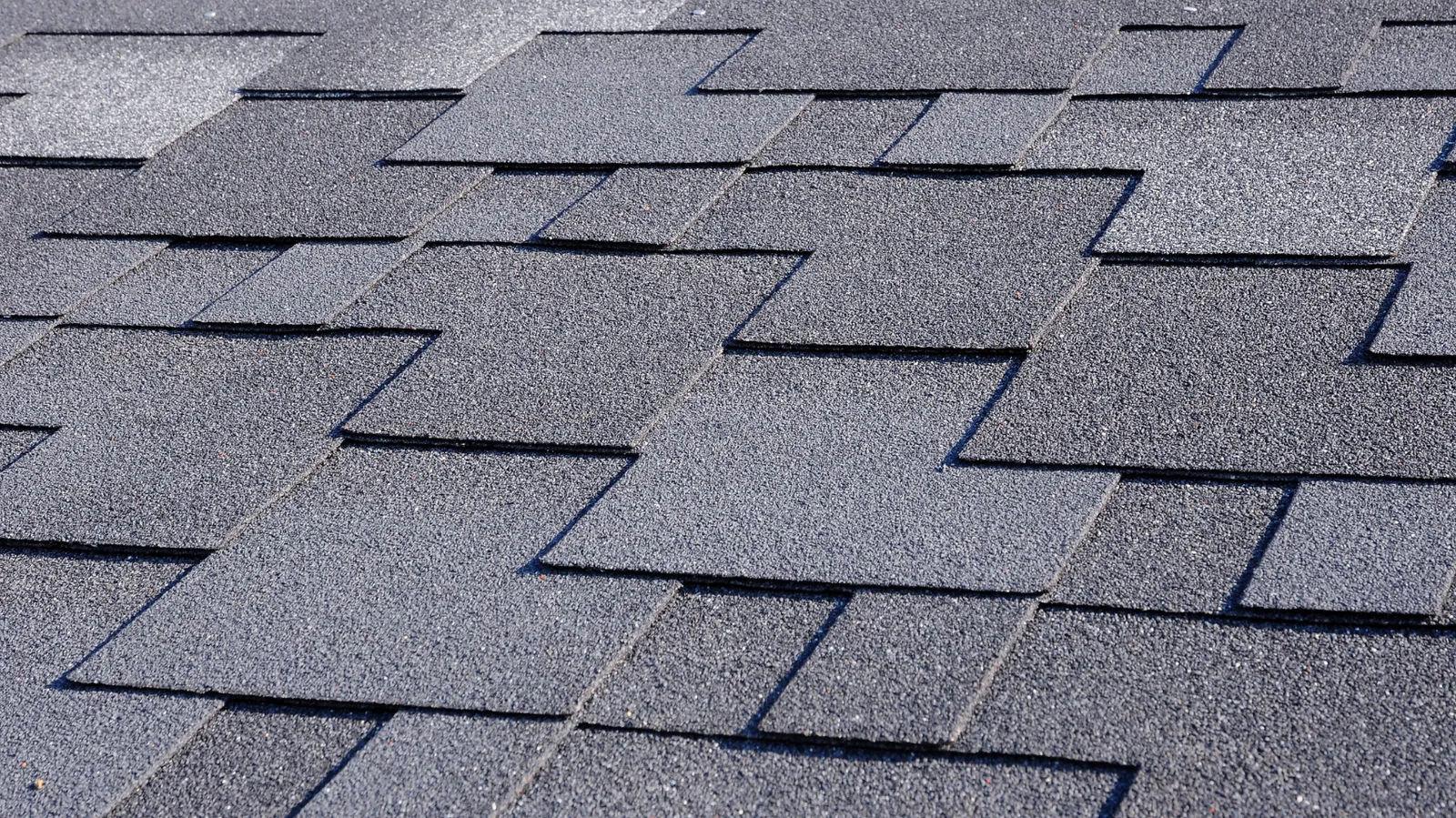
Membrane at the eaves and valleys
A sealed layer where water backs up and sits, which is not the same as underlayment across the field.
Underlayment over the rest of the deck
The second line of defense, under the shingles and over the decking.
Starter course and proper nailing
The first course and the nail line are what hold a roof down in wind, and both are easy to skimp on.
Flashing replaced at every junction
Chimneys, walls, valleys and penetrations get new metal; the old pieces do not go back on.
Ridge and ventilation finished together
The ridge closes the system, and the exhaust it carries is checked against the attic below it.
Signs shingles are near the end
Shingles give plenty of warning before they fail, and most of it is visible from the ground with a bit of looking. What follows are the cases that mean the clock has started rather than that something is wrong today.
Bald patches where the grit has gone
The colored grit is what shields the asphalt from sun. Where it has washed off, the black underneath ages several times faster than the rest of the slope.
Edges curling or cupping
Shingles that lift at the corners have dried out and lost their flexibility. Wind gets under a curled edge far more easily than a flat one.
Cracks running across the tabs
Splitting across the face comes with age, and it usually shows up across a whole slope at once instead of in one spot.
Shingles missing after a windy night
The county record holds gusts to 85 mph. One or two gone is a repair; a scattering across several slopes says the seal strips have let go generally.
A roof around thirty years old
A typical house here dates to the early nineties, so a good many original roofs are now past what an asphalt covering is built to give.
Grit in the gutters every time it rains
A little is normal from a new roof bedding in. A steady wash from an older one is the covering shedding its protection.
How a shingle roof is installed in Alma
Shingle work moves quickly once it starts, so most of what protects the house happens before the first bundle is opened. The order below is why the timing matters.
Ground and planting
Beds, drives and anything under the eaves get protected first, because a tear-off throws further than people expect.
Everything off the deck
Old covering, old underlayment, old flashing. The deck gets looked at while it is bare and anything soft is shown to you then.
The layers under the shingles
Eaves and valleys first, then the field, then new flashing and new boots. Old flashing does not go back on.
Up the slope, then swept
Courses run from the eave up so each row laps the one below, which is the whole principle the roof works on.
Pricing an asphalt roof in Alma
Whole roof, installed, worked off 24 squares of finished roof surface, the planning size the regional cost table carries and no count of any house in Alma.
Shingle roofs are priced by the square, and a square is a hundred square feet of finished roof surface. Architectural shingle, the standard choice, runs $400 to $670 per square on the regional planning ranges. The tougher impact-resistant kind runs $490 to $760, and designer profiles $530 to $930. What moves a quote inside those bands is the pitch, how cut up the roof is, and whether any decking has to be replaced once the old covering is off.
$400 to $670 per square · for architectural shingle
Ranges to plan against, not a quote. What your roof costs depends on what the roofer finds once they are up there.
Shingle questions Alma homeowners ask most
See what a shingle roof would cost
Roof age, and whether the look or the toughness matters more to you. A local roofer measures the rest.